You’ve signed the lease, picked up the keys, and you’re ready to move in. But before you bring in the first box, there’s one step that can save you thousands: documenting the property’s condition.
A move-in inspection means photographing and recording every room, every scratch, every mark. Without this documentation, when it’s time to return the keys, your landlord can claim that pre-existing damage was caused by you — and deduct it from your security deposit.
Why a move-in inspection matters so much
In most jurisdictions, tenants are required to return the property in the same condition they received it, minus normal wear and tear. But without proof of the original condition, how do you prove what “same condition” means?
That’s the problem: most tenants do their inspection informally — snap a few photos on their phone, mentally note the defects, and move on. Months later, when they need that evidence, the photos are buried in their camera roll with no verifiable date, no location data, and no proof of when they were taken.
What to document in each room
Living room and bedrooms
- Walls: stains, cracks, moisture marks, peeling paint
- Floors: scratches, cracked tiles, loose boards, stained grout
- Windows: open and close each one — check locks, cracked glass, weather seals
- Outlets and switches: test every one — plug in a charger or lamp
- Doors: open and close — check hinges, handles, and proper latching
Kitchen
- Countertop and sink: stains, chips, dripping faucet
- Cabinets: open every door and drawer — check hinges and rails
- Appliances: if included, test each one
- Floor: especially under where the fridge will go and behind the stove
Bathroom
- Fixtures: cracks, permanent stains, moldy grout
- Shower: water pressure and temperature
- Faucets: open and close — check for leaks
- Ceiling: signs of water damage are very common in bathrooms
Tips for photos that work as evidence
A random phone photo isn’t enough. For your photos to have value as documentary evidence, they need verifiable context:
- Verifiable date and time: a camera roll photo only has your phone’s clock, which can be easily changed. You need a timestamp from an external source.
- GPS location: confirms the photo was taken at that specific address, not at another property.
- Immutability: photos need to be stored in a way that prevents editing without detection.
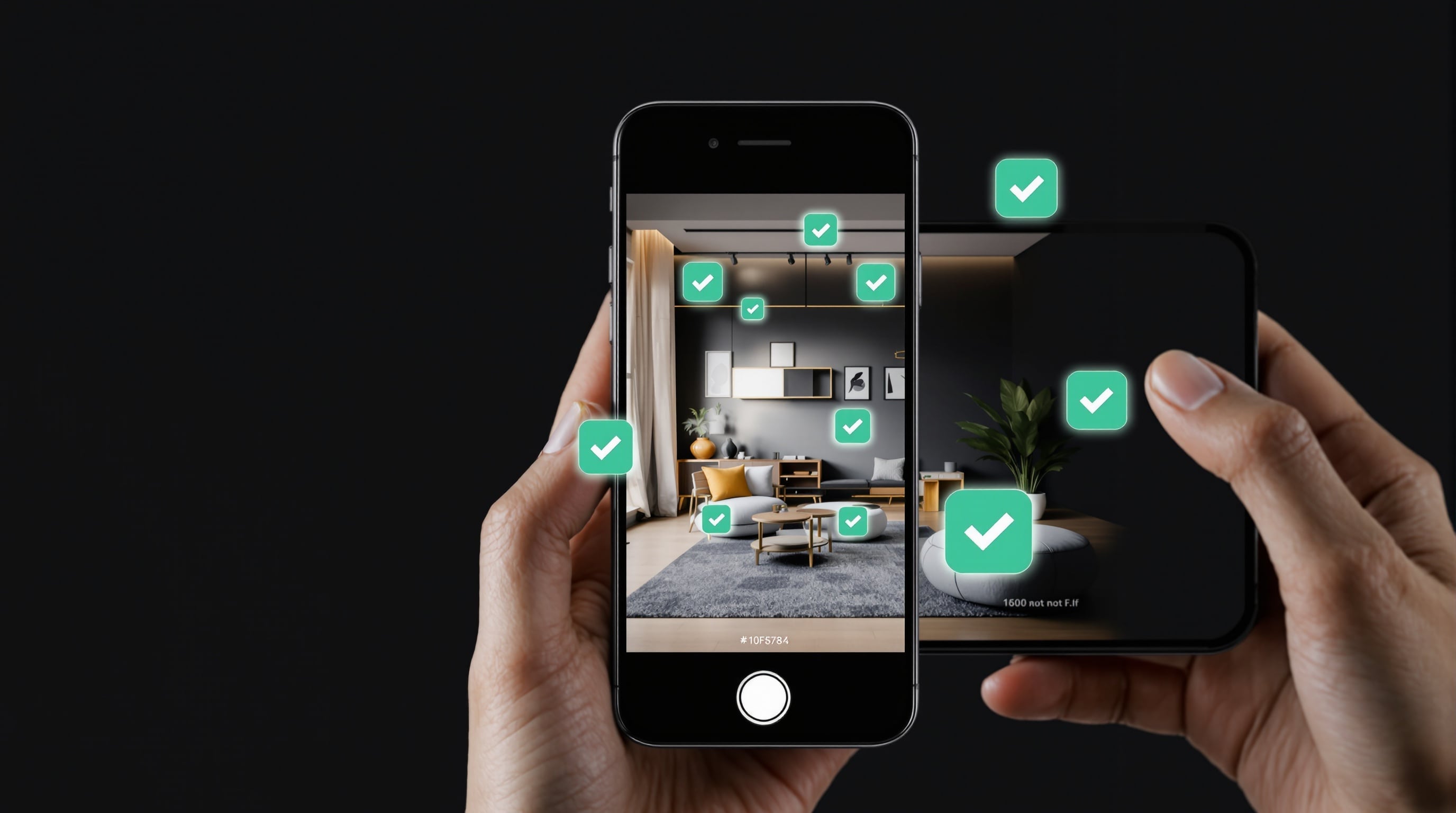
That’s exactly what CertiPlace does: it captures photos directly from your phone’s camera (no uploading old photos), records server and Hedera Hashgraph blockchain timestamps, GPS coordinates, and a presence selfie. Everything is compiled into a report with an immutable seal that anyone can independently verify.
When to do the inspection
Do it on the day you get the keys, before moving any furniture in. The emptier the apartment, the better — it’s easier to photograph walls, floors, and corners. If possible, do it during daylight for natural lighting.
Common mistakes to avoid
- Trusting the landlord’s inventory: many landlords create generic inventories with phrases like “good condition” without detailing specific defects. Do your own independent documentation.
- Photographing only some rooms: document everything, including areas that look perfect. At move-out, any undocumented room is an opening for charges.
- Ignoring things that “don’t seem important”: that tiny scratch on the floor or the stain on the wall can cost you hundreds if your landlord decides to charge at move-out.
- Keeping photos only on your phone: phones get replaced, lost, and reset. You need photos in a permanent, verifiable format.
The cost of not documenting
The typical security deposit is 1-2 months’ rent. In major cities, with average rents of $1,500-$2,500/month, that’s $1,500 to $5,000 at stake. Losing part or all of it due to lack of documentation is an expensive mistake — and entirely preventable.
Documenting your property with CertiPlace takes less than 5 minutes and costs $4.99. That’s a fraction of what you could lose without it.
Quick summary
- Get the keys → document immediately, with the apartment empty
- Photograph every room from multiple angles
- Record existing defects and conditions
- Use a tool that guarantees verifiable dates, GPS, and immutability
- Store the report safely — you’ll need it at move-out
This is the kind of precaution that feels excessive until the day you need it. And when you need it, it’s priceless.