Renting out your property is one of the best ways to generate passive income. But it's also one of the riskiest if you don't take precautions from the start. A tenant who denies causing damage, a scratched floor you never documented, a wall repainted without permission — any of these situations can cost you hundreds or thousands of dollars.
This guide is for landlords who want to rent with peace of mind. You don't need a law degree or a professional inspector. You just need a clear system to document, communicate, and act.
Why documentation is your best investment
Most rental laws establish that tenants must return the property in the condition they received it, minus normal wear and tear. But "the condition they received it" is an empty phrase without evidence of what it looked like before.
Many landlords rely on memory or a few phone photos. The problem is those photos have no verifiable date, don't prove where they were taken, and any tenant can argue they were edited or taken later.
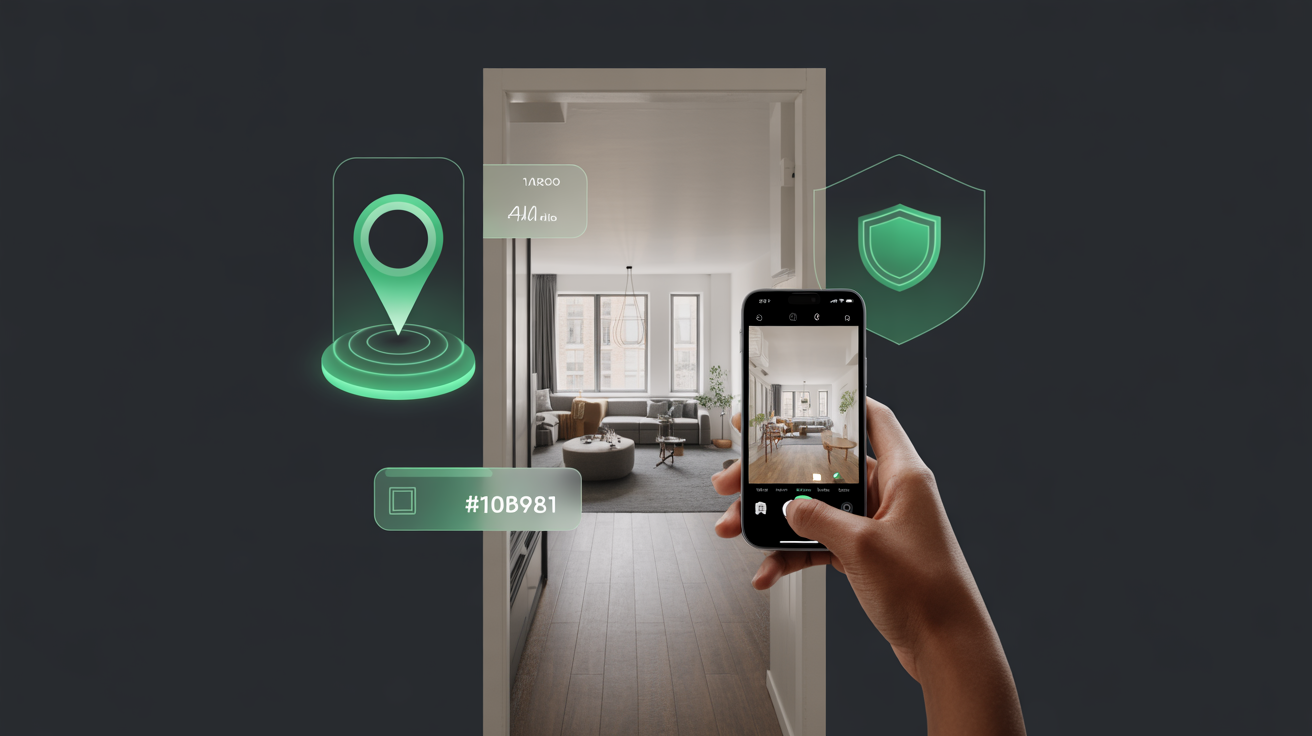
Documentation with external verification — sealed metadata, blockchain hash, geolocation — eliminates that argument before it even starts.
What to document before handing over the keys
1. General condition of each room
Photograph every room from at least two angles. Pay special attention to:
- Floors (scratches, stains, loose tiles)
- Walls and ceilings (moisture, cracks, paint color)
- Windows and blinds (mechanisms, glass, sealing)
- Doors (hinges, locks, marks)
2. Fixtures and appliances
If the property is rented furnished or with appliances, document:
- Model and condition of each appliance
- Faucets, boiler, and A/C functionality
- Water heater condition
- Outlets and switches (do they all work?)
3. Exterior and common areas
If the property includes a terrace, balcony, storage unit, or parking space, document those too. These areas frequently generate disputes.
4. Utility meter readings
Photograph utility meters (electricity, water, gas) with the reading visible. This protects you from claims about consumption before the tenant moved in.
When to document: timing matters
The ideal moment is the same day you hand over the keys, before the tenant brings in any belongings. If that's not possible, do it the day before.
Don't wait until the tenant has moved in. Once there's furniture and personal items inside, the documentation loses value because you can't see the real condition of floors, walls, and corners.
The most expensive mistake: skipping the move-out inspection
Many landlords document move-in but forget move-out. Big mistake. If you want to retain part of the deposit for damages, you need to prove:
- The initial condition (move-in documentation)
- The final condition (move-out documentation)
- That the difference isn't normal wear and tear
Without points 1 and 2, you have no case. With both, you have a direct visual comparison that any judge can understand in seconds.
CertiPlace for landlords: how it works
CertiPlace isn't just for tenants. More and more landlords use it to create a verified photo report before handing over keys and another when receiving them back.
The process is simple:
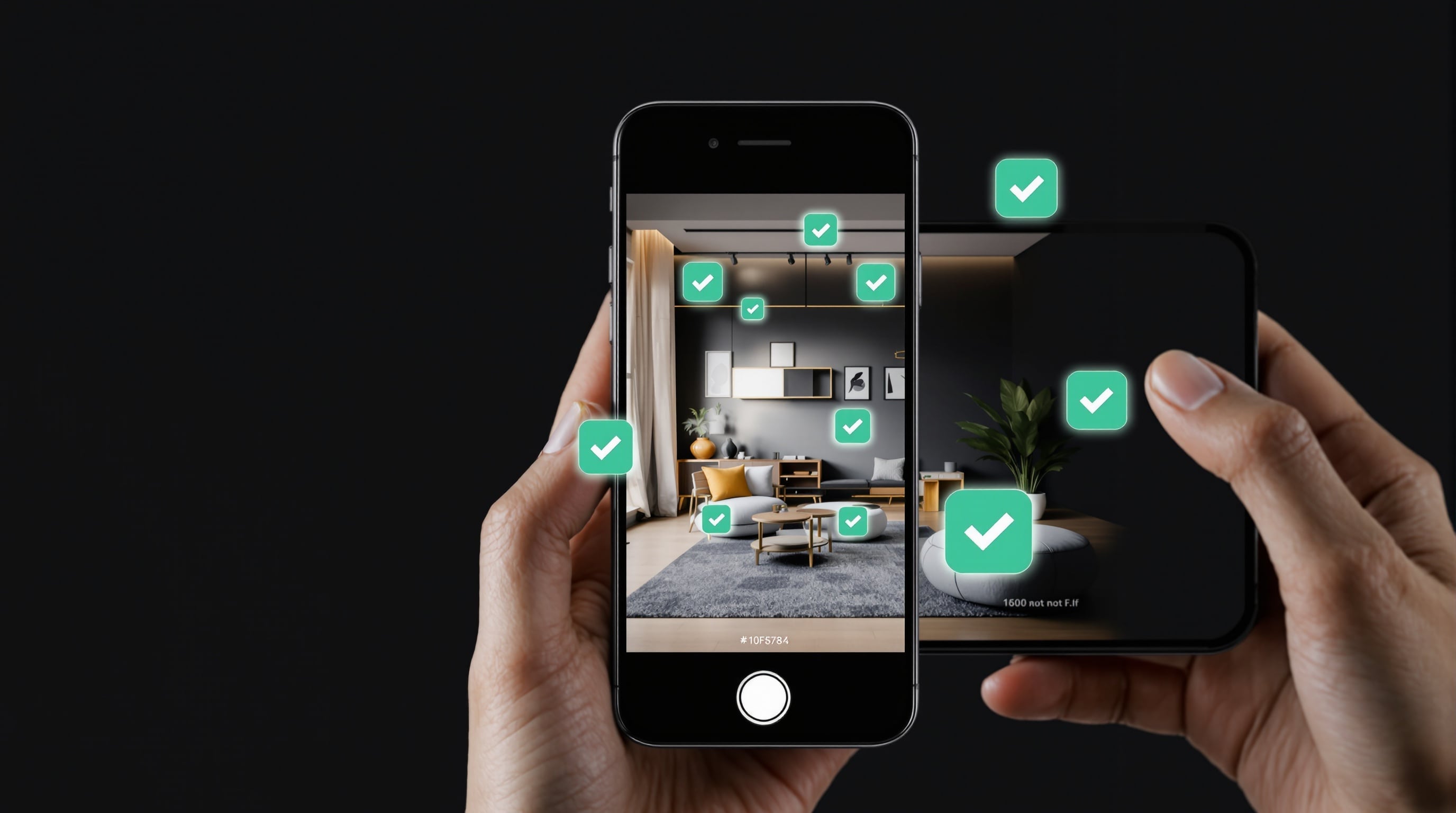
- Open the app and photograph each area of the property
- AI analyzes the photos and automatically detects defects
- A PDF report is generated with sealed metadata and blockchain hash
- Share it with the tenant — both parties have the same version
Having a shared report from the beginning drastically reduces arguments at the end of the lease. The tenant knows there's verified documentation and tends to take better care of the property.
The cost of not documenting
Repainting a 750 sq ft apartment: $1,000–$3,000. Repairing damaged hardwood floors: $500–$2,500. Replacing appliances: varies, but never cheap.
Without verified documentation, it's very difficult to legally retain the deposit. Courts will ask for evidence, and "I know it was fine when I handed it over" is not evidence.
5 practical tips for landlords
- Always document, no matter who you rent to. Even if the tenant is a friend or family member. Disputes arise precisely when there's trust and no documentation.
- Share the report with the tenant. This doesn't weaken your position — it strengthens it. A shared report is harder to challenge.
- Do an annual mid-lease review. For long-term leases, an annual documented review catches problems before they get worse.
- Store everything in the cloud. Phone photos get lost, deleted, or stuck on old devices. A cloud report with a timestamp seal is permanent.
- Act fast when you spot damage. If you notice damage during the lease, report and document it immediately. Waiting until the end reduces your ability to claim.
Conclusion
Renting doesn't have to be a gamble. With proper move-in and move-out documentation, you turn "your word against mine" into verified visual evidence. It's the best way to protect your property, your deposit, and your peace of mind as a landlord.
Ready to document your property before handing over the keys? Start now with CertiPlace.