The tenant says the floor stain was already there when they moved in. You know it wasn't. They say the wall always had those holes. You remember it was perfect. Who's right? Without evidence, the answer is: nobody wins.
Disputes between landlords and tenants over property condition are incredibly common. And in most cases, the problem isn't bad intentions — it's a lack of documentation.
The 3 most common disputes
1. Damage at the end of the lease
The classic scenario: the tenant returns the keys, you find defects, and want to deduct from the deposit. The tenant says the damage was already there. Without move-in and move-out documentation, it's your word against theirs.
2. Unjustified deposit retention
The other side of the coin. The tenant claims they returned the property in perfect condition and you're withholding the deposit without cause. Without evidence, both sides believe they're right — and it often ends up in court.
3. Repairs during the lease
Who pays for the repair? If the damage is from normal wear, it's the landlord's responsibility. If it's from tenant negligence, it's the tenant's. Determining which is which without reference photos is guesswork.
Why regular photos don't work
When a dispute reaches mediation or court, phone photos have several problems:
- No verifiable date. EXIF metadata can be edited with any free tool.
- No proof of location. Is that photo from this property or another?
- No proof of authorship. Who took the photo? When exactly?
- Easily challenged. A lawyer can cast reasonable doubt on any unverified photo.
For a photo to carry weight as evidence, it needs independent external verification: something neither the landlord nor the tenant can manipulate.
What makes evidence "verified"
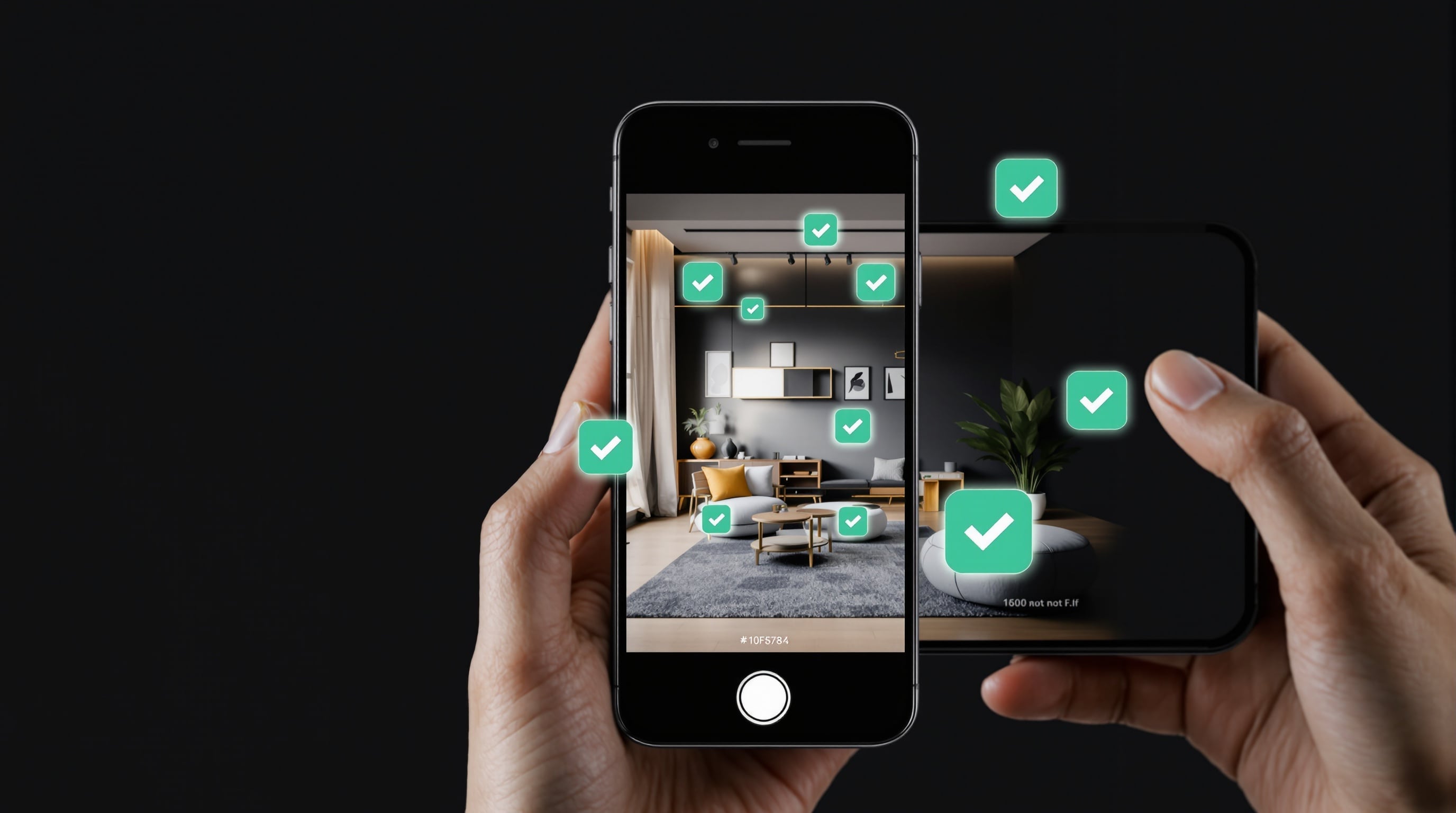
Verified photo documentation includes:
- Blockchain timestamp: An immutable time stamp proving when the document was created.
- Cryptographic hash: A unique fingerprint proving the file hasn't been modified since creation.
- Sealed metadata: Date, time, geolocation, and device, verified by an external server.
- AI analysis: An objective assessment of the property's condition that supplements the visual evidence.
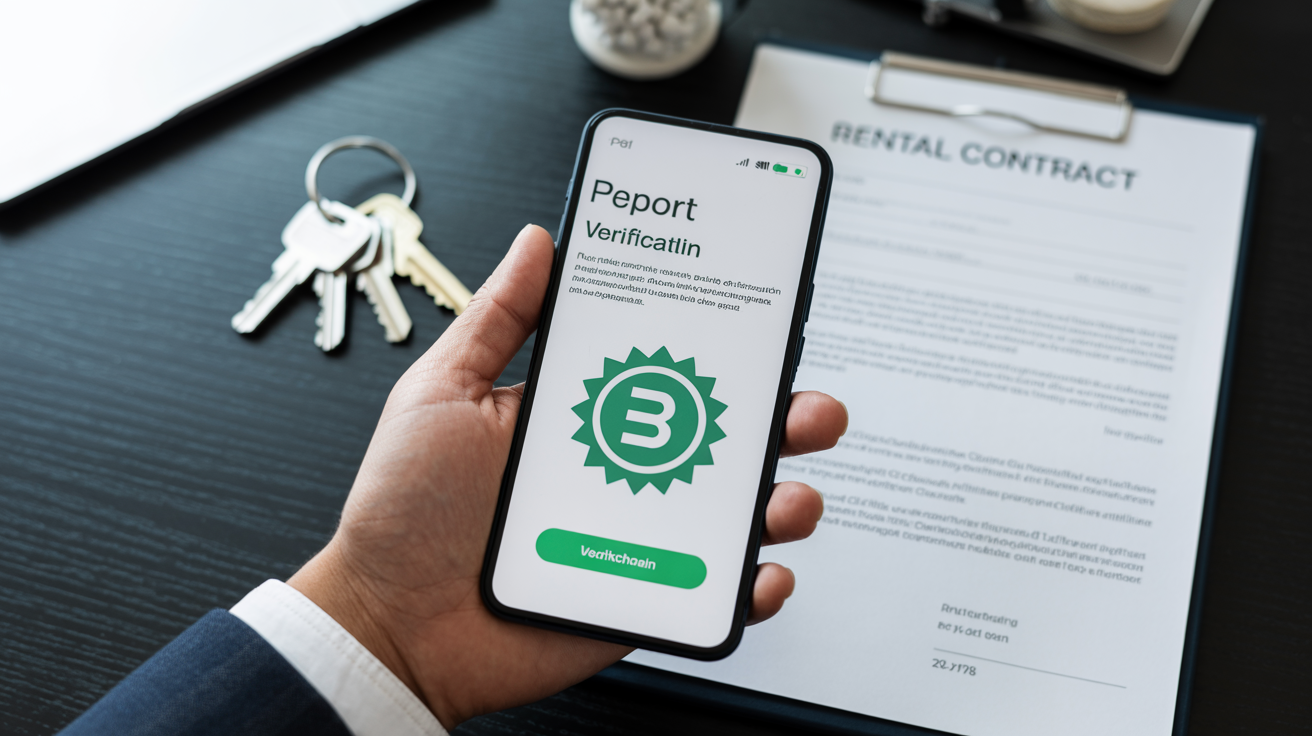
With these elements, documentation stops being "someone's photo" and becomes a verifiable technical record.
How verified evidence resolves each dispute
Damage at move-out
With a CertiPlace move-in report and a move-out report, the comparison is direct. Photo of the floor at move-in (no scratches) vs. photo at move-out (scratches). Same room, same angle, both independently verified. The discussion ends before it starts.
Deposit retention
As a landlord with both reports, you can justify every dollar retained with visual evidence. As a tenant who returned the property in good condition with your own report, you can prove there was no damage.
Mid-lease repairs
A report generated when the problem is detected, compared with the move-in report, determines whether the damage is new or pre-existing. If it's new and not normal wear, the responsibility is clear.
How to avoid going to court
Most rental disputes are resolved when one party presents clear evidence. Following these steps drastically reduces conflicts:
- Document move-in with both parties present. If both see the photos and accept the report, the starting point is objective.
- Share the report from day one. A tenant who knows there's verified documentation takes better care of the property.
- Document any incident immediately. Don't wait until the end of the lease.
- At move-out, generate a new report. Compare it with the move-in report before discussing.
- Negotiate with data, not opinions. Side-by-side photos leave little room for subjectivity.
What if you're already in a dispute?
If you already have an active conflict and didn't document move-in or move-out, the situation is harder — but not hopeless. Document the current state of the property with CertiPlace as soon as possible. Even without the "before," having the "now" with technical verification is better than having nothing.
And for future rentals, the lesson is clear: always document, from day one.
Conclusion
Landlord-tenant disputes aren't resolved with good intentions — they're resolved with evidence. Verified photo documentation transforms subjective disputes into objective comparisons. It's faster, fairer, and much cheaper than going to court.
Want to protect yourself against future conflicts? Document your property now with CertiPlace.