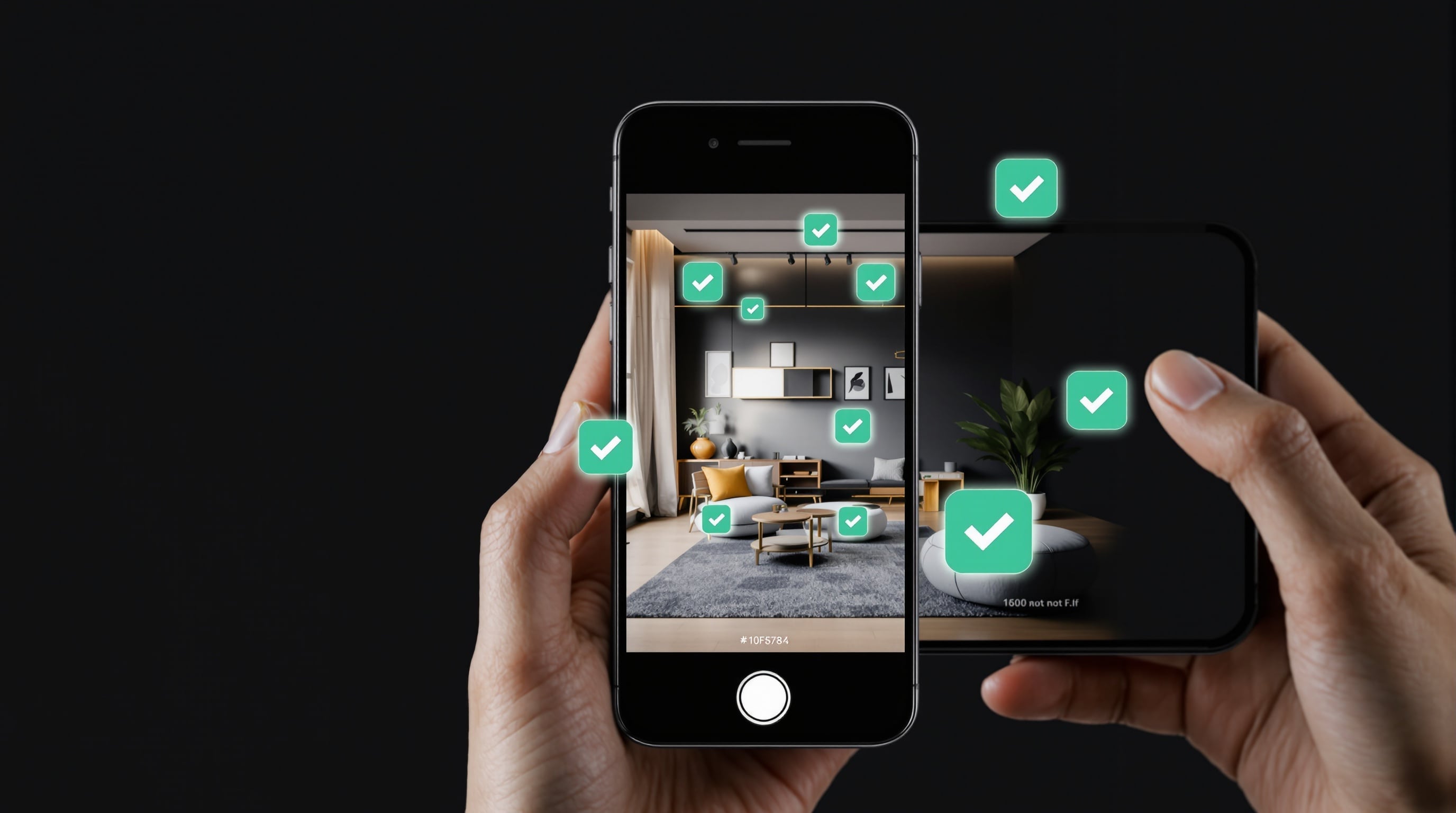
Your Security Deposit Is Your Money: Learn to Protect It from Day One
The security deposit is one of the most contentious aspects of any rental relationship. Many tenants lose part or all of their deposit at the end of a tenancy — not because they caused real damage, but because they don't have sufficient evidence to prove the condition in which they received the property. The good news is that protecting your deposit is entirely within your control, and it all starts the day you receive the keys.
In this guide, we'll walk you through how to document the property's condition, what rights you have as a tenant, and what to do if your landlord tries to unfairly withhold your deposit.
1. Move-In Day: Your Most Important Moment
The day you receive the keys is the most critical moment for protecting your deposit. Before signing anything or bringing in your belongings, take time to thoroughly document the property's condition.
What to Document on Move-In Day
- Photographs of every room: walls, floors, ceilings, windows, doors, and closets. Photograph from multiple angles and make sure images are sharp.
- A walkthrough video: record a continuous video of the entire property, describing the condition of each element out loud.
- Pre-existing damage: any stain, hole, crack, scuff, or broken item must be documented. No matter how small.
- Appliances and equipment: check that everything works correctly and document any issues.
- Utility meter readings: photograph water, electricity, and gas meters with the date visible.
Tools like CertiPlace allow you to create a complete visual record with automatic timestamps, which adds credibility to your documentation and makes any future claim much easier to support.
2. The Inventory: Your Ally in a Furnished Property
If you're renting a furnished property, the inventory is essential. Review each item on the list and note the actual condition of each one. If the landlord doesn't provide an inventory, create your own and send it to them in writing so there's a record.
How to Create a Good Inventory
- Photograph each piece of furniture and appliance, including any existing damage.
- Note the condition of each item: good, fair, or damaged (describing what's wrong).
- Sign the inventory together with the landlord or their representative.
- Keep a copy signed by both parties.
3. During the Tenancy: Keep a Record of Everything
Protecting your deposit doesn't end on move-in day. Throughout the entire tenancy, it's important to keep a record of communications with the landlord and any incidents in the property.
Written Communications
Whenever you report a fault or request a repair, do so in writing: email, text message, or messaging app. Keep all these messages. If the landlord fails to carry out necessary repairs, this documentation will protect you against potential claims about the property's condition at the end of the tenancy.
Repairs and Maintenance
Clearly distinguish between what is your responsibility (minor day-to-day repairs) and what falls to the landlord (structural repairs, fixture failures). If you carry out any improvements or repairs yourself, document them and inform the landlord.
4. Normal Wear and Tear: What Cannot Be Deducted from Your Deposit
One of the most important concepts you need to understand as a tenant is «normal wear and tear». Your landlord cannot deduct from your deposit the deterioration that results from normal, everyday use of the property.
Examples of Normal Wear and Tear
- Small marks on walls from everyday use.
- Slight discoloration of surfaces over time.
- Natural wear on carpets and floors.
- Minor scratches on furniture from regular use.
Examples of Chargeable Damage
- Holes in walls from hanging pictures without permission or improperly.
- Difficult-to-remove stains on carpets or upholstery.
- Appliances broken through misuse.
- Damage caused by unauthorized pets.
5. Move-Out Day: How to Prepare
Before handing back the keys, take time to prepare the property and document its final condition. Compare the current state with the photographs you took on move-in day.
Move-Out Checklist
- Clean the property thoroughly, including appliances, bathrooms, and kitchen.
- Repair minor damage you've caused: holes in walls, stains, etc.
- Photograph the final condition of each room, just as you did on move-in day.
- Conduct the move-out inspection with the landlord present, if possible.
- Request a signed document confirming the key handover and the property's condition.
6. If Your Landlord Unfairly Withholds Your Deposit
If your landlord doesn't return your deposit or makes deductions you consider unjust, you have several options:
- Written communication: send a formal letter or email claiming the return of your deposit, attaching your photographic documentation.
- Deposit dispute service: in the UK, deposits must be protected in a government-approved scheme, and disputes can be resolved through the scheme's free adjudication service. In the US, many states have small claims courts specifically for deposit disputes.
- Legal action: if other options fail, you can take legal action. Your photographic documentation and communication records will be crucial.
In the US, most states require landlords to return deposits within 14–30 days of move-out, along with an itemized list of deductions. In the UK, landlords must return deposits within 10 days of agreeing on the amount. Failure to comply can result in significant penalties for the landlord.
7. Digital Tools to Protect Your Deposit
Technology is your best ally for protecting your deposit. Specialized apps like CertiPlace allow you to create complete visual records with timestamps, which are much harder to dispute than simple gallery photos.
Conclusion
Protecting your security deposit is a matter of documentation and proactivity. If you spend a few hours on move-in day thoroughly recording the property's condition, you'll be in a much stronger position to get your money back at the end of the tenancy. Don't wait for a dispute to arise — act from day one.