2026: A Year of Important Changes for Tenants
The rental landscape in 2026 is undergoing significant transformations that directly affect tenants. New regulations, more accessible digital tools, and a constantly evolving market are redefining the relationship between landlords and renters. Understanding these changes is essential for protecting your rights and making informed decisions.
In this article, we analyze the key legal and technological developments of 2026 that every tenant should know about.
1. The New Regulatory Framework: More Protection for Tenants
In California, several landmark laws took effect on January 1, 2026, significantly strengthening tenant protections. These changes reflect a broader national trend toward greater tenant rights that is spreading across the US and internationally.
Key 2026 Tenant Protections in California
- AB 628 — Mandatory Appliances: all rental units must include a working stove and refrigerator to be considered habitable. Landlords must repair or replace malfunctioning appliances within 30 days of written notice.
- AB 414 — Security Deposit Reforms: landlords must return deposits electronically if requested, and multi-tenant arrangements require separate deposit returns to each renter.
- SB 610 — Disaster Protections: during mandatory evacuations, rent and all fees must be halted. Tenants can terminate leases of uninhabitable units without penalties.
- AB 1414 — Opt-Out of Bulk Subscriptions: tenants can opt out of mandatory internet or other service subscriptions imposed by landlords.
2. Rent Control and Notice Requirements
Rent control laws are becoming more widespread in 2026. Oregon caps annual increases at 9.5%, California at 5% plus CPI, and New York at 2% plus CPI. Most states now require landlords to provide at least 30 days' written notice for rent increases, with some requiring 60 or 90 days for significant increases or long-term tenants.
Understanding the rent control laws in your specific city and state is crucial. Local regulations may provide additional protections beyond state law.
3. The Digital Revolution in Renting
2026 is the year when the digitization of the rental process is fully consolidating. From property searching to lease signing and incident management, technology is transforming every stage of the process.
Digital Tools Every Tenant Should Know
- Electronic signature platforms: allow you to sign leases securely and legally without physical presence.
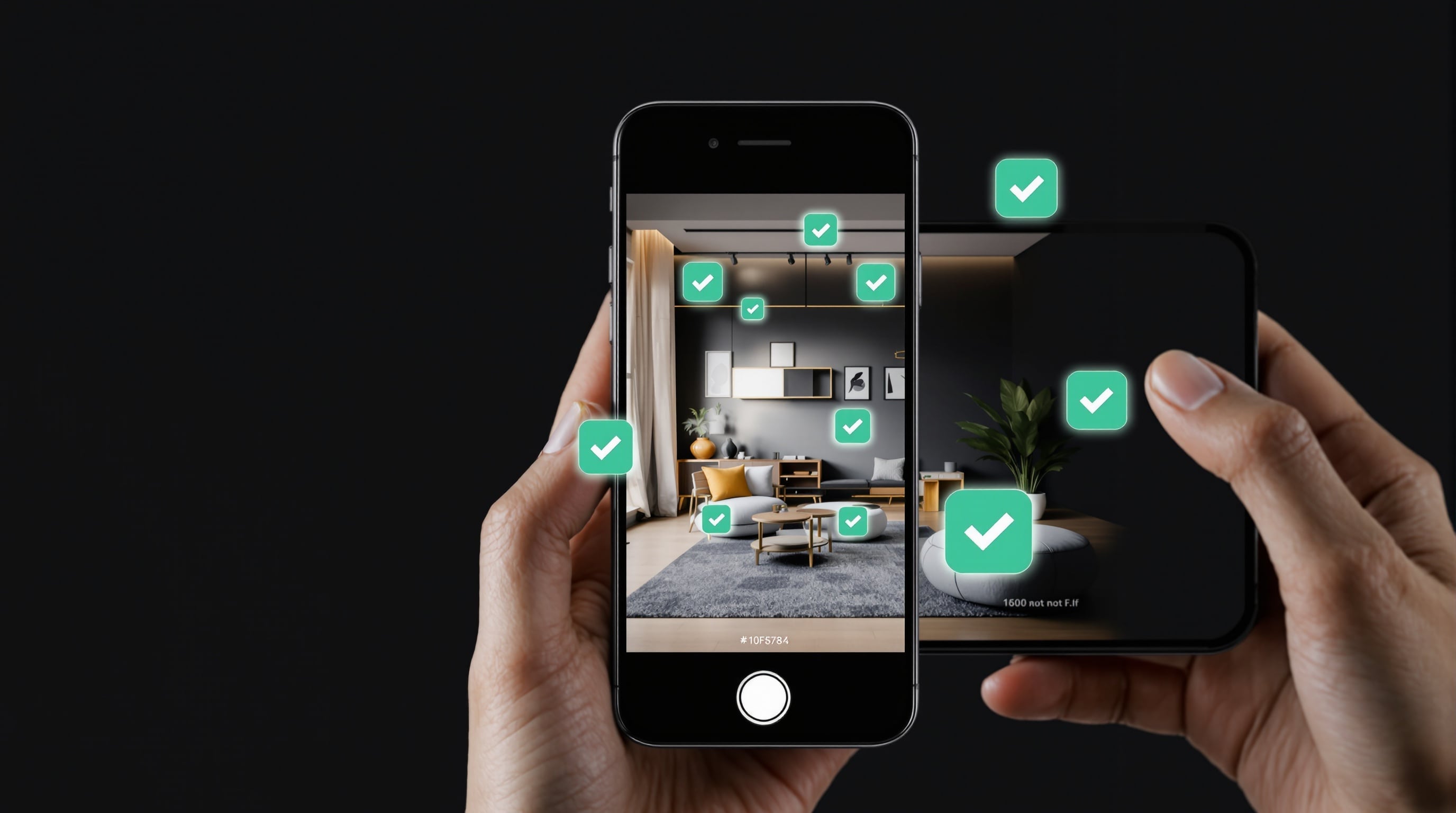
- Property documentation apps: like CertiPlace, which allow you to create complete visual records of the property's condition with timestamps.
- Rental management portals: for online payments, landlord communication, and incident tracking.
- Landlord verification services: to confirm the landlord is who they claim to be and has the right to rent the property.
4. How to Use Technology to Protect Your Rights
Technology doesn't just make the rental process more convenient — it also gives you powerful tools to protect your rights. Digital documentation is especially valuable in case of disputes.
Property Condition Documentation
Using a specialized app to document the property's condition on move-in day is one of the best time investments you can make. Timestamped, geolocated photographs are much harder to dispute than gallery images without metadata. Tools like CertiPlace are designed specifically for this purpose.
Written and Verifiable Communications
Keep all important communications with your landlord in writing. Email is preferable to text messages because it's easier to archive and present as evidence. Save all messages related to the rental: repair requests, visit notifications, deposit agreements, etc.
5. The 2026 Rental Market: What to Expect as a Tenant
The rental market remains highly competitive in 2026. Supply shortages in major cities keep prices high, and competition among tenants is intense. However, there are positive signs: regulation is improving conditions for renters, and digitization is making the process more transparent and accessible.
Trends Affecting Tenants in 2026
- High prices: in many major cities, average rents have reached historic highs. Be prepared to allocate a significant portion of your income to rent.
- Greater competition: supply shortages mean landlords can be more selective. Having a strong profile (demonstrated solvency, references, employment stability) is more important than ever.
- New rental models: monthly rentals and room rentals are growing as alternatives to traditional leases.
- Process digitization: more landlords and agencies are requiring digital processes, from application to lease signing.
6. Practical Tips for Tenants in 2026
- Document everything from day one: use digital tools to record the property's condition with timestamps.
- Read the lease carefully: make sure you understand all clauses before signing. If in doubt, consult a legal advisor.
- Know your rights: research the current legislation in your state or country.
- Keep written communications: save all messages and emails related to the rental.
- Verify the property before moving in: don't sign the lease without having inspected the property in person.
Conclusion
2026 is a year of opportunities for tenants who know how to leverage new tools and understand their rights. Technology and regulation are evolving in your favor — use them. Document everything, communicate in writing, and stay informed about the legal changes that affect you. Your deposit and your peace of mind depend on it.